CPI vs. the Fed: Why Inflation Is the Real Constraint

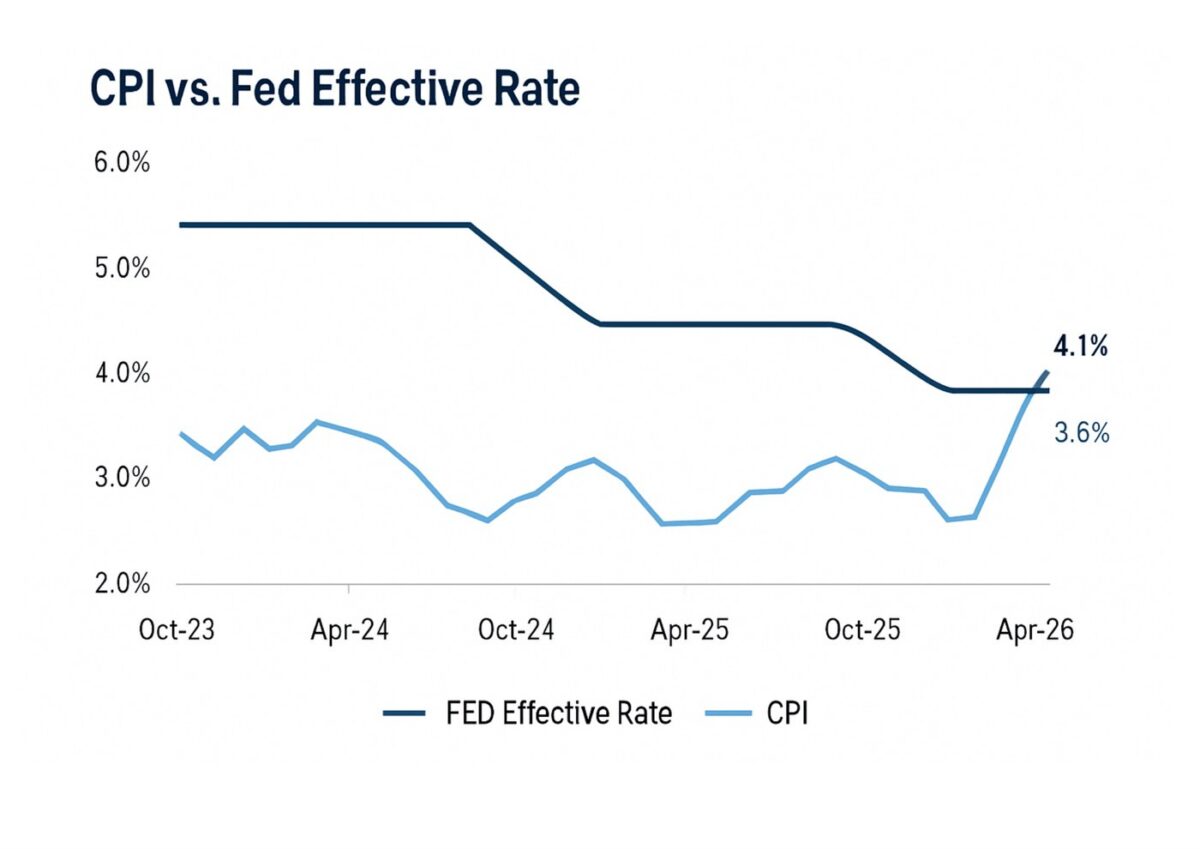
Headline CPI hit a three-year high while real wages turned negative. Why inflation, not the Fed, is the real constraint on capital costs and deal underwriting now.

Headline CPI hit a three-year high while real wages turned negative. Why inflation, not the Fed, is the real constraint on capital costs and deal underwriting now.
The biggest question heading into the second half of 2026 isn’t whether the economy is slowing, it’s whether inflation will stay stubborn enough to keep the Fed on hold. With AI-driven investment reshaping the growth outlook and dealmakers remaining active, the disconnect between sentiment and fundamentals is becoming increasingly difficult to ignore.
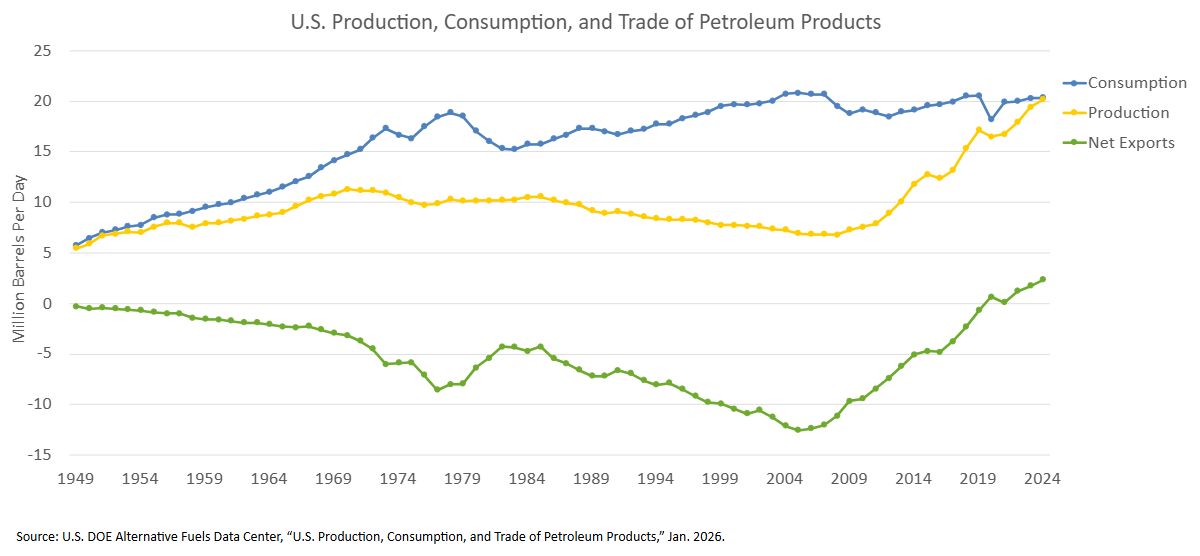
The US produces 13.6M barrels/day – production revenue now exceeds the entire household energy burden. Why higher oil may hurt America far less than higher mortgage rates.
U.S. GDP growth slowed to 0.7% in Q4 2025, with Atlanta Fed GDPNow currently tracking ~3.7% for Q1 2026, driven by strong consumer spending and a reduced trade deficit. Inflation is easing, and trade policies are boosting domestic production and import substitution.
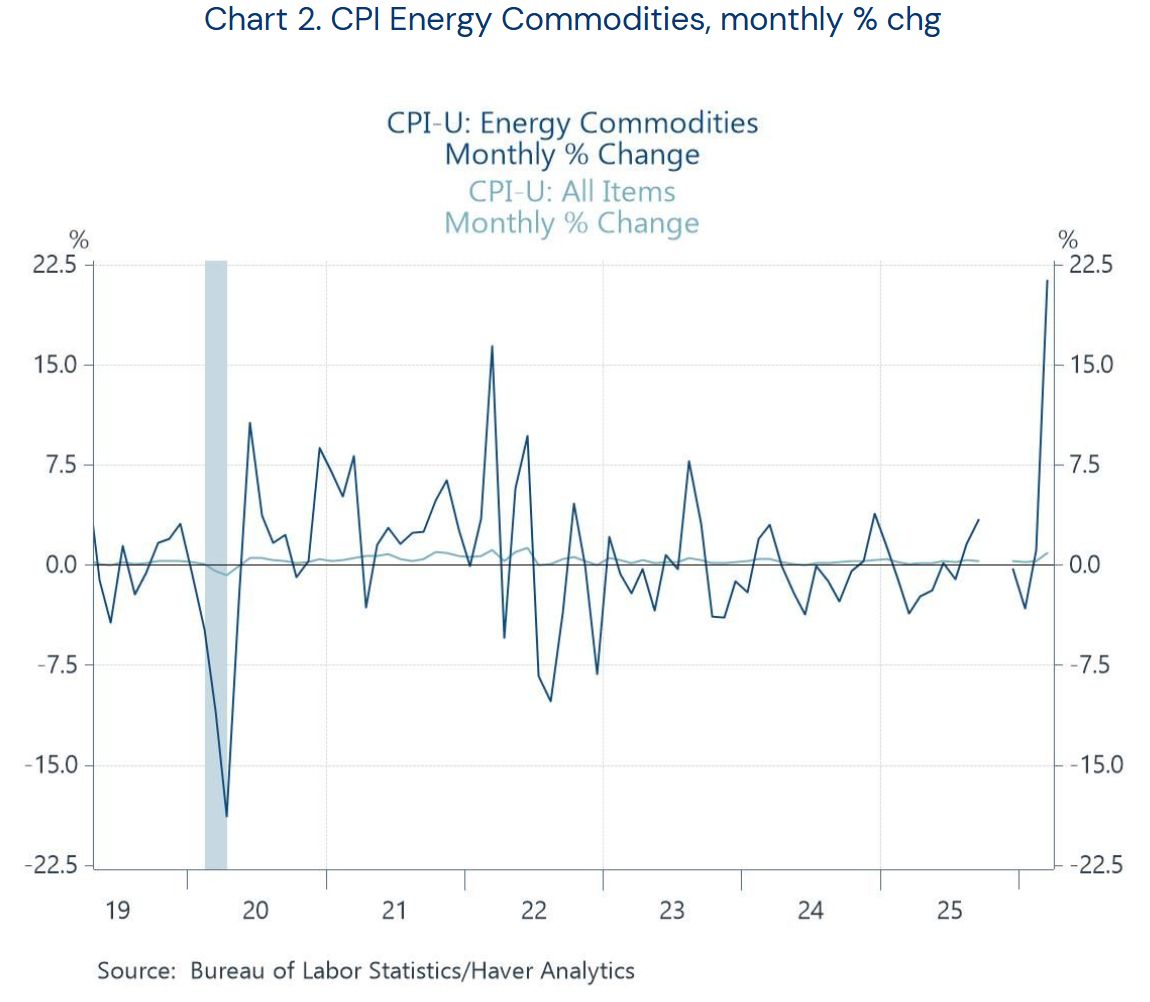
Energy commodities jumped 21.3% in a single month – the biggest spike since 2022. Core CPI moved only 0.2%. What the oil shock means for cost of capital, lender appetite, and deal structuring.
U.S. GDP growth slowed to 0.7% in Q4 2025, with Atlanta Fed GDPNow currently tracking ~3.7% for Q1 2026, driven by strong consumer spending and a reduced trade deficit. Inflation is easing, and trade policies are boosting domestic production and import substitution.
By 2035, ~6 million boomer-owned US businesses face ownership transitions – up to $5 trillion in enterprise value. Independent sponsors and structured capital will decide how it converts.
U.S. GDP growth slowed to 0.7% in Q4 2025, with Atlanta Fed GDPNow currently tracking ~3.7% for Q1 2026, driven by strong consumer spending and a reduced trade deficit. Inflation is easing, and trade policies are boosting domestic production and import substitution.
U.S. credit markets remain constructive into year-end, with Q3 GDP up 4.3% annualized on resilient consumer spending and stronger net exports. The Fed is holding rates at 3.9% while signaling gradual cuts and renewed balance-sheet support, adding liquidity. Corporate and bank fundamentals are solid – S&P 500 margins near 69.8%, business delinquencies at 1.3%, and Tier‑1 capital at 14.1% with significant lending capacity implied – supporting a favorable backdrop for selective capital deployment into 2026.
From wheat to AI: surging capital investment in AI-adjacent equipment, data centers, and on-shoring is driving sustainable productivity gains – a regime change for 2026 US growth.